




It's 4:45 p.m., the sun is already gone, and you're eyeing the couch like it owes you money. Sound familiar? You're not lazy, and you're not imagining it. The winter blues are a real, common response to shorter days, and mid-November is right when a lot of people start to feel them. The good news: most of what helps is free, simple, and something you can start this week.
What the winter blues actually are
Think of it as a seasonal dip. Less energy, more sleep, a flatter mood, and a stronger pull toward carbs and blankets. According to a HealthDay report on shorter daylight and mood published this month, up to 10% to 20% of Americans notice a mild mood dip in the darker months.
Surveys put the number even higher. In an American Psychiatric Association poll covered by HealthDay's write-up of the winter mood survey, 41% of adults said their mood declines in winter. The most common change? Sleeping more. Fatigue came next.
One honest line before we go further. The winter blues are different from seasonal affective disorder (SAD), which is a diagnosable condition. If a low mood lasts two weeks or more, or starts getting in the way of work, relationships, or daily life, talk to a doctor or mental health professional. That's not a supplement conversation.
Why shorter days drain your energy
Your body runs on a roughly 24-hour clock, and daylight is the main thing that sets it. Morning light tells your brain it's time to be awake and alert. Darkness cues melatonin, the hormone that makes you sleepy.
In late fall, that signal gets muddy. You wake up in the dark, sit under office lights all day, and head home in the dark again. Your brain gets less of the bright light it uses to separate day from night. Researchers think this can shift serotonin and melatonin rhythms, which helps explain the groggy mornings and the 3 p.m. fog.
Then add the season itself. Holiday travel, later nights, more alcohol, less movement. Each one nudges your rhythm a little further off. If the clock change earlier this month already threw you, our guide to resetting your sleep after daylight saving time covers that piece in more detail.
Daily habits that may help with the winter blues
None of these are fancy. They work best stacked together and kept steady.
- Get outside early. Ten to twenty minutes of morning daylight, even on a gray day, gives your body clock its strongest cue. Coffee on the porch counts.
- Open every blind the moment you're up. Work near a window if you can.
- Move on a schedule. The HealthDay report suggests about 30 minutes of exercise at least three times a week. A brisk lunchtime walk does double duty: movement plus light.
- Keep wake-up time consistent, weekends included. Sleeping in feels great on Saturday and costs you on Monday.
- Go easy on alcohol. It can make low moods worse and tends to wreck sleep quality in the second half of the night.
- See people. Talking with friends and family was the top coping strategy in the APA poll, ahead of everything else.
Some people also use a bright light box in the morning. If you're considering one, ask your doctor which kind fits your situation.
Where Raw Botanics fits in your winter routine
We'll be straight with you. No softgel replaces daylight, movement, or a real conversation with a friend. What a good routine can do is make those habits easier to keep.
For gray afternoons, our RELAX Lion's Mane and CBD softgels combine Lion's Mane, bacopa, ashwagandha, and CBD. They're designed to support a healthy stress response and clear focus, without caffeine. Many people take them with lunch, right before that walk.
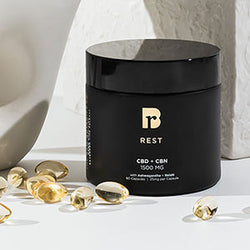
At night, the goal is protecting the rhythm you built during the day. Our REST & Refresh softgels for natural sleep support blend Reishi mushroom, chamomile, passion flower, and hemp cannabinoids including CBN. They're made to support your body's natural sleep cycle when long, dark evenings start pulling your bedtime around. Follow the label, and check with your physician if you take other medications.
Winter blues FAQ
When do the winter blues usually start?
For many people, late fall, once days get noticeably shorter. They often ease as daylight returns in spring.
Are the winter blues the same as SAD?
No. The winter blues are a milder seasonal dip. SAD is a diagnosable condition, so if low mood lasts two weeks or more or disrupts daily life, see a healthcare provider.
Can functional mushrooms help with the winter blues?
Some people add Lion's Mane and adaptogens like ashwagandha to their daily routine to support focus and a healthy stress response. They work best alongside daylight, movement, and steady sleep, not instead of them.
These statements have not been evaluated by the Food and Drug Administration. This product is not intended to diagnose, treat, cure, or prevent any disease. All hemp products contain less than 0.3% THC per the Controlled Substances Act. Not for use by anyone under 18, or who is pregnant or nursing. Consult your physician before use.